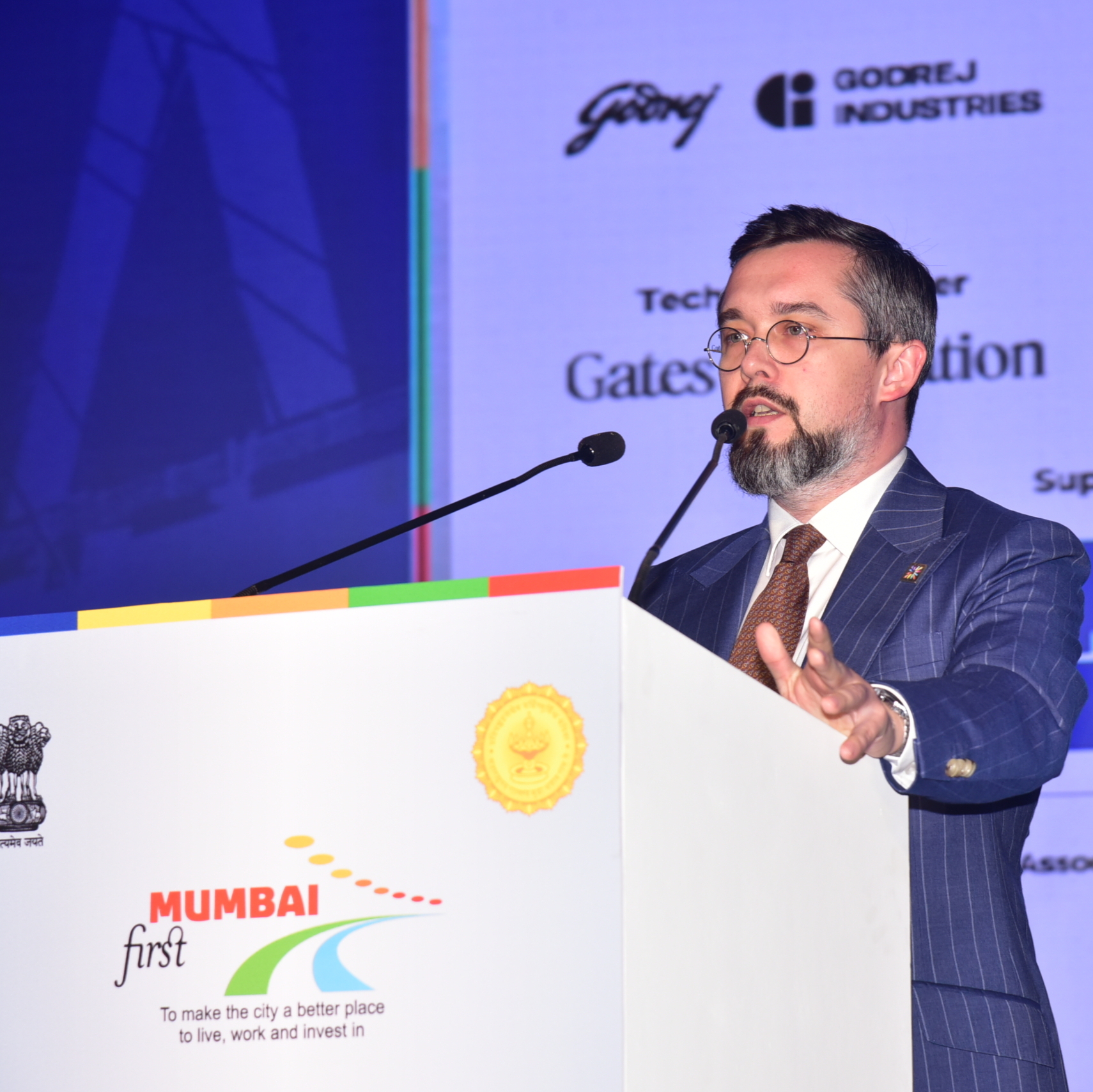
On March 16, as part of the events of the All India Institute of Local Self-Government, the Round Table “Tourism Dialogue: Cities in Motion” was held. The dialogue brought together representatives from Russia, India, Brazil and other countries to discuss the role of tourism as a tool of public diplomacy, a driver of urban development, and a platform for intercultural interaction.
The session was moderated by Ms. Daria Sannikova, Advisor to the Mayor of Kazan (Russia). In her opening remarks, she noted that tourism today is not just an economic sector, but an effective mechanism for building trust between countries through culture, gastronomy, traditions, and human communication. The personal experience of a traveler shapes a lasting image of a city and a state, which makes tourism a crucial instrument of public diplomacy.
Mr. Ildar Imamov, Deputy Head of the Administration of Ufa (Russia), presented tourism development practices in the capital of the Republic of Bashkortostan. Ufa, located at the crossroads of cultures and the heritage of more than one hundred nationalities, is shaping the image of a green city with a developed event infrastructure. Mr. Imamov spoke about the creative space “Art-Kvadrat” (Art-Square), which hosts more than a thousand events annually, the “Green Necklace” project — a 120-kilometer route for active recreation, as well as the «Est’» (To Eat) festival, which has become an important gastronomic tradition of the city. Ufa has experience in organizing major international events, which creates a foundation for further development of event tourism.
Mr. Alexander Shavliashvili, Director of the Committee for Tourism Development of Kazan (Russia), presented the experience of the capital of the Republic of Tatarstan, which receives 4-5 million tourists annually. He shared information on the renovation projects of Kazan Zoological, planned for 2027-2028, and Botanic Garden and the waterfront area of Kaban Lake system.
Ms. Galina Yakushkina, Deputy Governor of the Tula Region — Chief of Staff of the Government of the Tula region (Russia), presented the hero city of Tula, which will celebrate its 880th anniversary in 2026. The Tula Kremlin, never conquered by an enemy, Tula samovars, gingerbread, accordions have become recognizable brands, shaping the image of the city as a keeper of Russian craft traditions. Ms. Yakushkina emphasized the special significance of cultural dialogue: The Yasnaya Polyana estate of Leo Tolstoy, located in the Tula Region, is a place of attraction for admirers of Russian literature from around the world. A shared worldview and deep cultural connection, in her words, create the foundation for developing tourism exchanges between Russia and India.
Mr. Evgeny Naumov, Mayor of Krasnodar (Russia), delivered a report on event tourism as a platform for public diplomacy. He spoke about the transformation of Krasnodar from a transit point into an independent tourist destination. Krasnodar Park, covering more than 100 hectares, the football stadium, and modern public spaces shape the image of an open, technologically advanced city. Mr. Naumov presented the concept of a unified event network of BRICS cities, proposing the synchronization of major festivals, the creation of a common event calendar and a digital navigation platform. As a practical tool for tourism development, Mr. Naumov proposed creating a «BRICS Traveler’s Card» — a digital service offering discounts on accommodation, museum visits, access to festivals, and special restaurant offers.
Ms. Olesya Baltusova, Assistant to the Head of the Republic of Tatarstan (Russia), presented the tourist potential of Tatarstan, which is home to 13 historical cities, with 2,026 cultural heritage sites included in the unified state register. Tourist flow to the republic grew from 0.6 million people in 2005 to 4.5 million in 2025. Special attention was paid to the volunteer movement: the Tom Sawyer Fest, named by the UN Habitat III conference in 2016 as the most successful heritage preservation project, has brought together volunteers over ten years who have restored 18 historical buildings.
Mr. Evgeny Panin, member of the Expert Council under the Ministry of Industry and Trade of the Russian Federation, presented an initiative to create a unified BRICS gastronomic rating system. He emphasized that up to 40% of tourist spending is on food, and gastronomy is becoming a key factor in shaping tourist experiences. Mr. Panin also suggested creating a gastronomic ecosystem including festivals, professional skills competitions, and the exchange of culinary traditions.
Ms. Diana Shakirzyanova, Director of Aldan Global Tour, member of the Russian Geographical Society (Russia), and Mr. Pradeep Narayanaswamy, Advisor to the Kerala Department of Tourism (India), delivered a joint presentation on the development of tourism ties between Russia and India. They noted that BRICS countries cover 45% of the world’s population, and if even 1% of its population traveled within the associated countries annually, it would create one of the largest tourism corridors in the world. The speakers analyzed the dynamics of tourist flows: in 2024, approximately 80,000 Russian citizens, and Russia by 120,000 Indian citizens, double the figures of 2023, visited India. Growth factors include visa facilitation, the development of direct air links, and joint marketing campaigns. Speakers proposed developing a “BRICS Friendly” standard, providing information materials in the languages of the association’s countries, staff training on cultural characteristics and dietary preferences, as well as simplified payment procedures. They also called for creating a unified calendar of religious and cultural holidays of BRICS countries, such as Holi and Maslenitsa, to synchronize tourist flows and promote joint routes.
Participants of the tourism dialogue confirmed that tourism development requires cross-sectoral interaction: culture, sports, transport, education, business, and municipal authorities. The meeting identified promising areas of cooperation: creating a unified event ecosystem for BRICS cities, developing a gastronomic rating, implementing the «BRICS Friendly» standard, expanding direct air links, and simplifying visa procedures.
The “Tourism Dialogue” became an important step in shaping a common tourism space for BRICS+ countries, where cities act not just as points on a map, but as active participants in international cooperation, preserving cultural identity and open to dialogue.