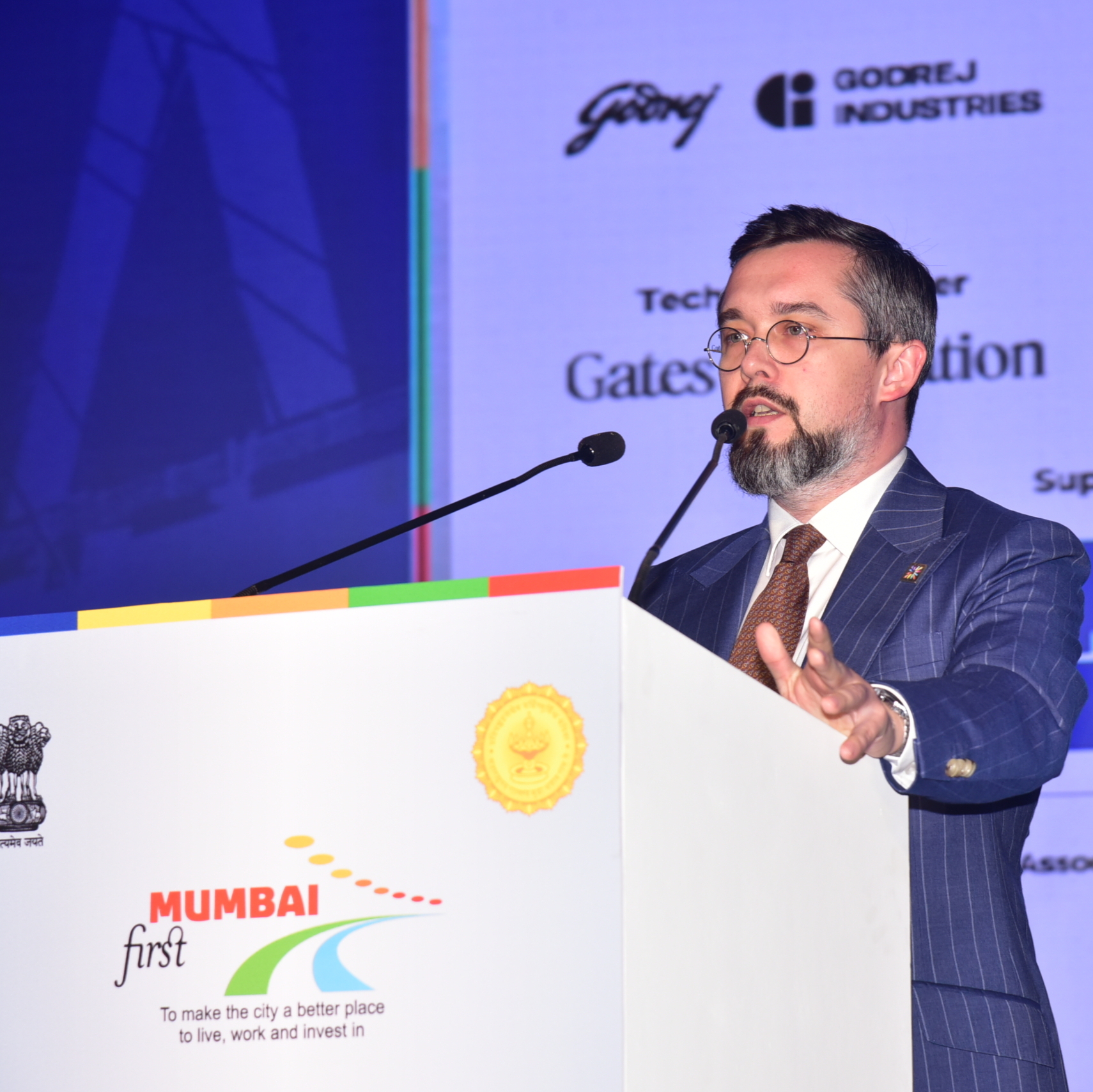
During the celebrations of the 100th Anniversary of the All India Institute of Local Self-Government at the India Habitat Centre (India), a meeting of the Women’s Committee of the BRICS+ Association of Cities and Municipalities was held. The «Women’s Dialogue» brought together leaders from Brazil, Ethiopia, India, Russia and South Africa to discuss the role of women in shaping fair and decentralized solutions, strengthening international stability, and developing social sustainability.
The session was moderated by Ms. Evgeniya Lodvigova, Deputy Mayor of Kazan (Russia). In her opening remarks, she noted that the modern international system requires new approaches based on multipolarity and multilateral cooperation. In these conditions, the consolidation of efforts of women leaders and experts, as well as the expanded participation of municipalities in global processes, is of particular importance.
Ms. Irina Guseva, Co-Chairman of the All-Russian Association for the Development of Local Self-Government (Russia), delivered a welcoming speech in which she emphasized that the unification of municipalities amplifies the voice of each city and opens up new opportunities for development. The report paid special attention to the contribution of women leaders to the sustainable development of territories and the application of approaches focused on the well-being of future generations. Ms. Guseva recalled significant initiatives such as the 2nd Women for a Healthy Society Forum and the 2nd Women’s Arctic Forum, where women leaders of municipalities developed practical recommendations for creating a healthy environment and developing territories in challenging climatic conditions.
The floor was also given to Mr. Mikhail Pontser, First Secretary of the Embassy of Russia in India. In his speech, he highlighted the importance of developing inter-municipal cooperation between Russia and India, noting that women’s leadership plays a significant role in strengthening friendly ties between the countries. Mr. Pontser expressed support for initiatives aimed at expanding women’s participation in city governance and the implementation of joint projects in the social, cultural, and educational fields.
The meeting was attended by the Mayor of the Municipal Corporation of Faridabad (India), Ms. Praveen Joshi. In her speech, she mentioned the importance of developing direct contacts between the cities of the BRICS countries and stated that Faridabad, which is part of the National Capital Region of Delhi, is open to cooperation in the areas of urban development, social policy, and support for women leaders at the local level.
Ms. Tatiana Panfilova, Head of the Ryazan Municipality and Chairperson of the Ryazan City Duma (Russia), presented a report on social inclusion in the space of a modern city with a centuries-old history. Ms. Panfilova elaborated on the inclusive education system, which covers all levels: from preschool to higher education. Kindergartens have compensatory groups, schools implement adapted educational programs, and 8 colleges and technical schools offer 60 educational programs for students with disabilities. Special attention was paid to supplementary education: The Ryazan Musical Theatre made a creative laboratory called «The Light Inside You» for visually impaired children.
Dr. Nasiphi Moya, Mayor of Tshwane (South Africa), shared her experience in managing one of the largest municipalities in the Republic of South Africa. She mentioned that gender equality in governance structures is becoming a driver of positive change, and women mayors bring special attention to social issues, education, and healthcare to city management. Dr. Moya pointed out the importance of experience exchange among BRICS countries in the field of women’s empowerment.
Ms. Lidia Novoseltseva, Chairman of the Rostov-on-Don City Council (Russia), presented a report on the role of women leaders in sustainable urban development and personnel training to ensure the technological sovereignty of municipalities. It was noted that over 78% of women in Russia work in local government bodies, while in industrial enterprises, women are mastering professions previously considered exclusively male. Ms. Novoseltseva also reported on some results of work of the 7th International Municipal BRICS Forum.
Ms. Helen Alemayehu Serbesa, Finance, Administration & Grant Management Directorate Director of the Ethiopian Cities Association (Ethiopia), shared her experience in managing financial flows and grant programs, which are key to the sustainable development of municipal projects in Africa. She emphasized the importance of transparency and efficiency in resource allocation, as well as the need to expand women’s participation in governance at the local level.
Ms. Neila Akrimi, Executive Director of the International Development Center for the Innovative Local Governance, representative of the World Organization «United Cities and Local Governments» (UCLG), delivered a concluding report on the role of women in global local governance processes. She noted that women’s leadership at the municipal level serves as a bridge between local communities and global solutions, and that women leaders play a key role in achieving Sustainable Development Goals.
In addition, video messages were sent to take part in the session from Ms. Solange Sousa Creidloro, Deputy Chairperson of the Fiscal Council of the Brazilian Association of Municipalities (Brazil), and Ms. Anna Gurarii, Chairman of the Yekaterinburg City Duma (Russia). To view the videos, please follow the links: Ms. Solange Sousa Creidloro, Ms. Anna Gurarii.
The participants of the Women’s Dialogue confirmed that women’s leadership plays a key role in achieving sustainable development and strengthening international cooperation. The ideas put forward — from social inclusion to personnel training for technological sovereignty, from demographic policy to financial management of municipal projects — will serve as a foundation for further work. The Women’s Committee will continue its activities within the BRICS+ Association of Cities and Municipalities as an important platform for uniting the efforts of women leaders, municipal heads, experts, and representatives of international organizations.